Removal Company Greenwich

Removal Company Greenwich provides house removals, flat moves and furniture transport in Greenwich, with a practical service built around careful handling and clear planning. If you are moving within the local area, across London or to another part of the UK, our work is centred on moving your belongings safely and keeping the process orderly from the first conversation to the final unloading. The service suits homes, apartments and smaller business moves that need a straightforward, organised approach.
We handle the physical move itself and can support the related stages that make a removal smoother, including packing help, wrapping fragile pieces and managing access around stairs, lifts and tight entrances. For customers comparing options, our removal services page gives a broader view of the work we carry out, while this homepage focuses on the main service in Greenwich and the kinds of moves most people want to book.
Start by outlining what needs moving, where it is going and whether there are items that need extra care. You can keep it simple at first; a short description is enough to begin. If you would like to discuss the move in more detail, send through the key information and ask for a quotation. Clear details help the process, but the aim is always to make the first step easy.
House and flat removals organised around the move
Our home removals work covers everyday moves of different sizes, from one-bedroom flats to larger family homes. The service is intended to take the heavy lifting off your hands while still leaving room for the level of support you actually want. Some customers only need transport and loading, while others prefer help with dismantling furniture, protecting delicate pieces and arranging the timing of the move so that everything arrives in a sensible order.
For mixed or smaller moves, the same core service can be adapted without adding unnecessary complication. If you are moving from a flat with shared access, a terraced house with tighter entry points or a property with limited parking, the moving plan should reflect those conditions. Our home moves page sits alongside this service for customers who want a more specific home-focused overview, while flat removals is useful where apartment access and building rules matter most.
Packing support, fragile items and the order of the move

Packing can be a major part of any removal, so it is sensible to decide early how much help you want. We can support customers who prefer to pack some items themselves and leave the awkward or fragile pieces to be wrapped and prepared by us. Good packing is not only about boxes; it is also about separating breakables, protecting surfaces and making sure the load can be handled efficiently once it reaches the vehicle.
Where needed, we can help with packing and unpacking as part of the wider move. That can be particularly useful when you are trying to keep daily disruption under control or when a property needs to be emptied promptly. Our packing and unpacking services page explains this support in more detail, and the packing and boxes page is useful if you are arranging materials alongside the move itself.
It also helps to think about the sequence in which items should be loaded and unloaded. Heavy furniture, white goods, boxes and small loose items usually need different handling. If you want the move to feel more orderly, you can prepare a brief inventory or group similar items together before the team arrives. That makes it easier to keep the important pieces accessible and reduces confusion once the van is being filled.
Furniture, special items and careful handling
Furniture removals are often the part of the job that needs the most care because bulky items can be awkward to carry and easy to mark if they are rushed. We move household furniture with attention to shape, weight and finish, and we can also help with items that may need disassembly before loading. Beds, wardrobes, tables and shelving all benefit from proper preparation, especially where hallways or stairs are narrow.
For individual pieces that need separate handling, there are dedicated services that can be useful. Our furniture removals page focuses on moving household furnishings safely, while furniture pick-up is suitable when you only need collection and transport of particular items. If you have more demanding objects, such as upright instruments, the piano removals page covers that more specialised type of move.
What affects the practical planning of a move

Several practical points can affect how a removal is planned, and it is better to address them before the day itself rather than as the move is under way. Access is often the biggest one: lift availability, stair width, parking distance and whether items need to be carried through shared areas all matter. The volume and weight of goods matter too, because the amount being moved affects vehicle size, loading time and the handling method used.
Other factors include whether furniture needs dismantling, whether delicate items need extra protection and whether the move includes boxes, appliances or awkward shapes. A short, accurate description is usually enough to begin. If you want to request a quotation, please include the collection and delivery areas, the main items to be moved and any access issues you already know about. That helps keep the estimate realistic without making the process feel complicated.
When customers are comparing removal options, it can also help to consider whether they need a traditional team-led move, a lighter transport-only service or a van with an extra pair of hands. Our man and van page and man with a van page are both useful starting points for smaller or less complex jobs, while the broader removals page gives a general overview of the service family.
Local and longer-distance moves
Not every customer is moving only a short distance, so it makes sense to plan for both local and longer journeys. We can support moves within Greenwich as well as removals that leave the area entirely, provided the job details are clear and the timing works. The key difference is often not the basic handling of the furniture, but the route, the overall volume and the time required to load, travel and unload in a controlled way.
For customers moving between homes at different distances, the same service can still be tailored around the property type and the amount of goods involved. If the move is part of a larger relocation or a more involved household change, our house removals page is a useful companion to this homepage, while house removalists reflects the same core service in a more role-based format for people looking at domestic moving support.
About Greenwich
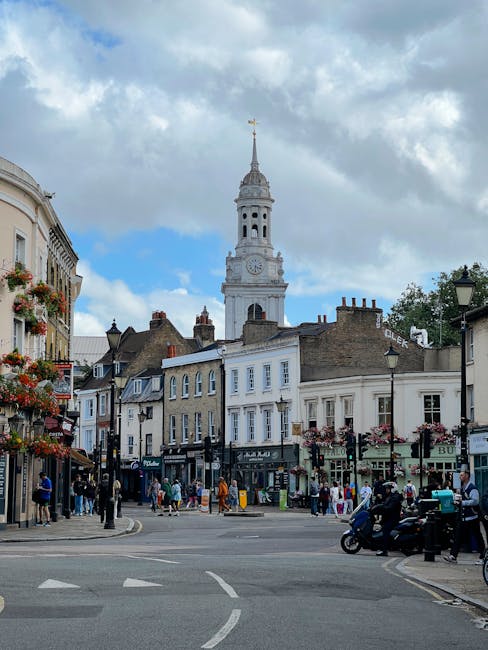
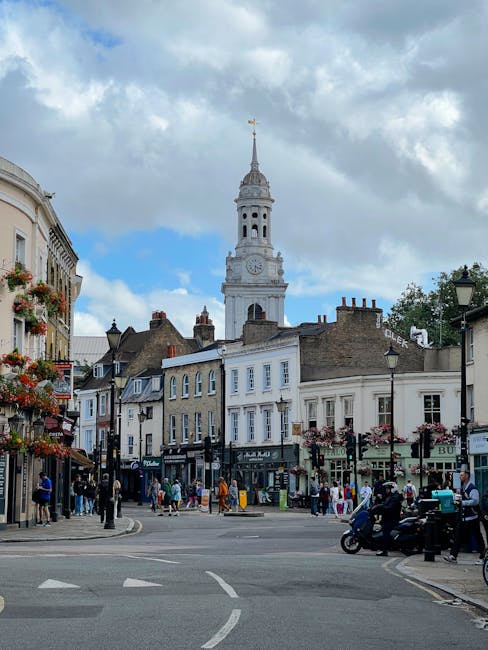
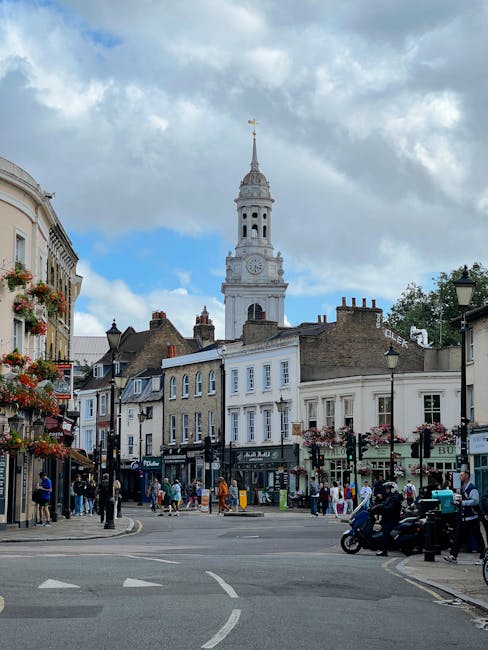
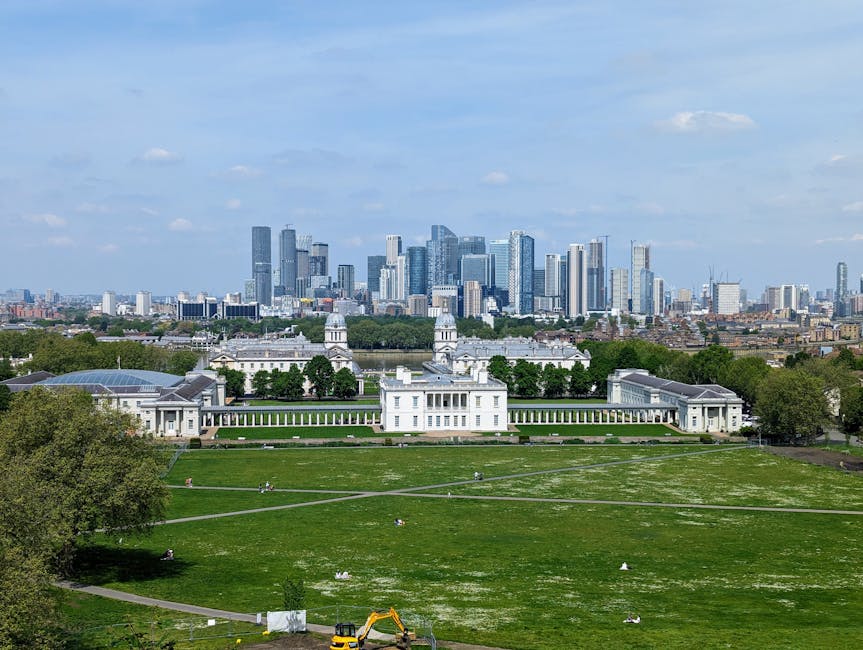
Greenwich sits on the south bank of the River Thames in south-east London and is known for a landscape that combines riverside views, royal history and a strong maritime identity. The area is closely associated with the Old Royal Naval College, designed by Sir Christopher Wren and his contemporaries, and with the Royal Observatory on Greenwich Hill, which helped establish the place as a reference point for world time and longitude. Greenwich Park, one of London’s historic royal parks, rises above the riverfront and provides long views across the city. The district’s historic centre includes the covered market, narrow streets and a mix of Georgian, Victorian and later buildings that reflect its long development as a settlement shaped by trade, administration and public institutions. Nearby Greenwich Peninsula has added a modern layer to the area, with contemporary housing, riverfront paths and major performance and leisure venues such as the O2. The river remains a defining feature, with walking routes, piers and crossings reinforcing the sense that Greenwich is both a local neighbourhood and part of a wider Thames-side corridor. Maritime Greenwich was inscribed as a UNESCO World Heritage Site in 1997, recognising the architectural and historical importance of the riverside buildings, park and observatory. The area continues to combine heritage, open space and active urban life in a way that makes it one of London’s most distinctive districts.
Commercial moves and office relocation support

Alongside home removals, we also support smaller commercial moves where a business needs equipment, furnishings or stock transferred with minimum fuss. Office relocation work often requires a little more coordination than a domestic move because desks, chairs, filing items, screens and boxed materials may all need different handling. The aim is to keep the move practical and orderly so that the business can settle into the new space without unnecessary disruption.
If you need to move a workplace rather than a household, our office removals page is the most direct match, and office relocation services gives a broader view of what a business move can involve. For mixed jobs that combine furnishings and general property contents, the general commercial moves page may also be helpful when comparing the most suitable approach.
Business moves often benefit from a short plan that sets out what is staying, what is going, and what needs to be protected during transit. If there are items that must arrive first, or pieces that should be placed in specific rooms, it is sensible to say so in advance. That way, the move can be handled with clear priorities rather than last-minute rearranging.
Smaller moves, student moves and short-notice options
Not every move needs a full household-removal setup. Some customers simply want help shifting a few larger items, while others need a lighter service for a studio flat, a room or a temporary move between addresses. In those cases, the task can often be handled efficiently with a smaller vehicle or a more compact team arrangement, provided the details are accurate from the outset.
Our student removals page is relevant where the move is modest in scale and the contents are straightforward, while same-day removals may be useful where timing is tighter and the job needs to be organised quickly. For customers who want to understand the vehicle side of the service, moving truck and removal van describe practical transport options tied to the work itself.
Whatever the size of the move, the most useful preparation is to be specific about what is being collected and where it should go. If there are fragile items, narrow stairs, parking restrictions or restrictions on access times, those details should be included when you ask for a quotation. Accurate information makes the estimate more useful and reduces the chance of surprises on the day.
Storage, vehicle hire and related support

Some moves do not fit neatly into a single day or a single journey, which is where related services can become helpful. Storage can be useful if a property is not ready yet or if belongings need to be held securely for a period before delivery. Vehicle hire options can also matter when the job involves transporting items in a way that depends on capacity, loading style or the type of property being served.
For customers weighing up those choices, our storage page gives a practical route to temporary holding arrangements, while removal truck hire and removal companies can be useful comparison pages when you are deciding how the move should be handled. The broader man with van option can also suit lighter transport needs where a full removals package is not required.
If you are ready to take the next step, you can ask for a quotation once you know the main items, the collection point and the destination. If the move includes packing, furniture handling or storage, mention that too so the response can be shaped around the real job. For a simple start, just send the core details and request your quotation when you are ready.
Prices, quotes and how to prepare an enquiry
Removal pricing is usually shaped by the size of the move, the distance involved, the access at each property and whether extra handling is needed for furniture or delicate goods. A quotation is only as useful as the information behind it, so it is better to share a concise summary of the job rather than trying to guess at the final scope. That way, the figures can reflect the actual work rather than a rough assumption.
Our pricing and quotes page is the best place to look when you want to understand the general quotation process. If you have concerns about handling, liability or the care taken during the move, the insurance and safety page and health and safety policy give further context about the standards that sit behind the service.
When you are preparing to enquire, it helps to have a short list of the main furniture pieces, approximate box count and any awkward access points. Photos can be useful where space is tight or there are especially bulky items, but they are not always necessary. The most important thing is a clear description of what is moving, where it is going and when you would like it done. Speak to us about the move and ask for a quotation if you are ready.