Narrow streets and stairs removals solutions Greenwich SE10
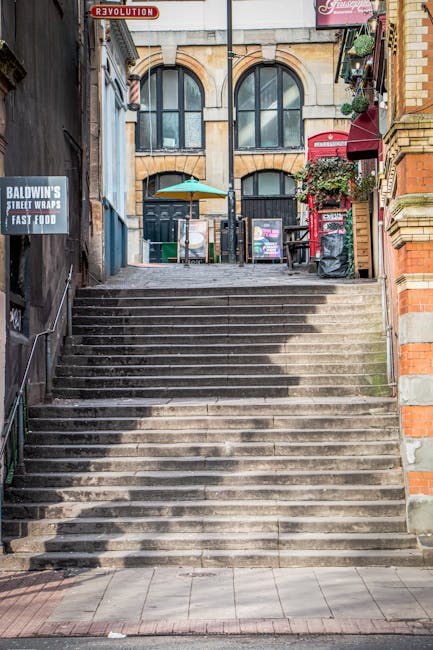
Moving in Greenwich SE10 can be straightforward on paper and awkward in real life. A sofa that fits through a front door can still get stuck on a tight turn. A box of books can feel fine at the curb, then become a wrestling match on a narrow stairwell. That is exactly where Narrow streets and stairs removals solutions Greenwich SE10 become useful: they are built for homes, flats, terraces, and commercial premises with limited access, steep steps, awkward parking, or both.
If you are dealing with a top-floor flat, a mews-style lane, a busy road with no easy stopping point, or a building where the staircase seems to have been designed by someone who hated wardrobes, you are not alone. The right plan saves time, reduces damage, and makes the day feel much less chaotic. In this guide, we will walk through how these removals work, what good preparation looks like, the mistakes people make, and how to choose the safest approach for your move in Greenwich SE10.
Why Narrow streets and stairs removals solutions Greenwich SE10 Matters
Greenwich SE10 has a lot going for it: character properties, period conversions, compact flats, and streets that often feel more intimate than spacious. That charm is brilliant until you need to move a wardrobe, a fridge, or a stack of office equipment through it. Narrow access changes everything. Parking can be limited, road layouts can be tight, and internal staircases often include turns, low ceilings, or worn banisters that need a careful touch.
Why does this matter so much? Because a normal removal plan can break down quickly when access is restricted. If a team arrives with the wrong vehicle, poor packing, or no plan for carrying items upstairs, the move becomes slower and riskier. A well-planned narrow-access removal reduces the chance of scratched walls, lifted paintwork, damaged corners, and stressed-out neighbours. Truth be told, it can also save you money because fewer delays usually mean fewer unexpected problems.
In our experience, the hardest moves are not always the biggest ones. Sometimes it is a one-bed flat with a narrow staircase and a van that cannot stop outside for more than a minute. That is why local knowledge matters. The right approach combines route planning, sensible packing, the right lifting equipment, and an honest assessment of what will and will not fit.
Useful local context: if your move also involves furniture disposal, furniture removals can help you clear bulky items before or after moving day, which often makes the access problem much easier to handle.
How Narrow streets and stairs removals solutions Greenwich SE10 Works
These moves usually start with access planning, not lifting. That is the part people skip, and then the day gets messy. A proper narrow-street or stair-based removal begins with a quick assessment of the route: where the van can stop, how far items must be carried, whether the staircase bends sharply, and whether any furniture needs dismantling.
The team then decides on the most practical combination of transport and handling. For some moves, a man and van setup is ideal because it is flexible and easier to position in tighter streets. For heavier or larger loads, a larger vehicle such as a removal van or even a moving truck may be suitable if access allows. The main point is simple: the vehicle should match the street, not just the contents.
Inside the property, the crew may use shoulder straps, furniture blankets, sliders, dollies, and protective wraps. Items like mattresses and mirrors can be protected first, then carried in a sequence that avoids blocking stairwells. If necessary, furniture is partly dismantled. Bed frames, tables, and wardrobes are often easier to move in sections than as one stubborn, awkward piece. It sounds obvious, but people often try to carry things whole because they are in a rush. That usually ends up with someone sighing on the landing.
For flats and upper-floor properties, access timing matters too. Early starts can help you avoid some traffic pressure, and a clean loading plan helps protect hallways, communal areas, and railings. If storage is needed because the new property is not ready, temporary storage can take the pressure off and make the schedule much less frantic.
Key Benefits and Practical Advantages
The real value of narrow-access removals is not just about fitting things through tight spaces. It is about reducing friction, which on moving day is priceless. A move that has been planned around stairs and narrow roads tends to feel calmer, quicker, and safer.
- Less damage risk: Proper protection helps avoid scuffs on walls, chipped paint, and damaged furniture corners.
- Better time control: With route planning and sensible load sequencing, the move usually runs more efficiently.
- Lower stress: You know what fits, what needs dismantling, and what needs extra handling.
- More realistic planning: If access is poor, the team can advise on the right vehicle and crew size from the start.
- Safer lifting: Steep stairs and tight turns are exactly where manual handling needs care.
There is also a quieter benefit: better neighbour relations. Let's face it, nothing tests patience like a noisy move that blocks a shared stairwell for too long. A well-run removal respects communal spaces, keeps walkways clear, and reduces the chance of complaints. That matters in Greenwich, where a lot of properties are close together and people notice everything. Everything.
If your move is part of a wider home relocation, you may also find it helpful to look at home moves for broader planning support, especially when the move includes packing, parking, and timing around building access.
Who This Is For and When It Makes Sense
Not every move needs specialist narrow-street handling, but many SE10 moves benefit from it. If you live in a flat above street level, a terraced home with a steep internal staircase, or a building with limited parking, this approach is probably for you. It is also useful if you are moving a single bulky item through a difficult route, not just during full house removals.
Typical situations include:
- Top-floor flats with narrow staircases or shared hallways
- Homes on tight residential roads where vans cannot park directly outside
- Student moves with lots of bags, boxes, and limited lift access
- Older properties with awkward turns, low ceilings, or delicate features
- Small office moves where equipment must be carried through compact entrances
- Moves that involve oversized furniture, including pianos or wardrobes
For students, timing and speed often matter just as much as access. A compact, organised approach can work well, especially if you are combining boxes with a few large items. If that sounds familiar, student removals may be a better fit than trying to force a generic full-scale move into a difficult building.
One thing worth saying: if you are unsure whether the staircase will cope with your sofa, ask early. People often wait until the day before and hope for the best. Hope is lovely. Not always practical.
Step-by-Step Guidance
Here is a simple way to think about a narrow-street or stair-based move in Greenwich SE10.
- Measure the access points. Check doorway widths, stair turns, landing space, and any low ceilings. Measure furniture too, not just the room it is leaving.
- Look at the street. Is there legal stopping space nearby? Can a van pull in briefly? Will you need extra carrying distance from the road?
- Decide what must be dismantled. Beds, shelving, and large tables often move more safely in pieces.
- Pack for lifting, not just storage. Use strong boxes, not overfilled ones. Heavy items at the bottom, lighter items on top.
- Protect the route. Stair rails, corners, and floor surfaces may need covering to reduce wear and tear.
- Choose the right vehicle. A smaller vehicle can be easier in cramped streets, but only if capacity still works for the load.
- Load in order. Put the items needed first at the back or easiest-to-reach area, so unpacking is not a scavenger hunt.
- Keep one person focused on access. Someone should watch doors, stairs, and traffic so the team is not working blind.
If the move is more complex than a standard home relocation, a specialist removal team can combine this process with packing and boxes so fragile items are secure before the first lift even begins. That is a small thing, but it changes the whole rhythm of the day.
Expert Tips for Better Results
These are the kinds of practical details that make a real difference.
- Book a survey or give precise photos. A few clear pictures of the staircase, hallway, and street can be more useful than vague descriptions.
- Check the parking position at the same time of day. Greenwich traffic and parking conditions can change a lot between morning and afternoon.
- Strip furniture early. Remove drawers, shelves, and loose fittings before moving day. It is one less thing to juggle on the stairs.
- Use consistent box sizes where possible. They stack better and move more predictably through narrow spaces.
- Reserve the awkward item for first attention. If the sofa is the main problem, do not leave it until everyone is tired.
- Keep stairways clear. A clean landing is safer than a crowded one, especially if people are carrying items down in sequence.
A small human tip: keep water nearby, and a bit of patience too. When people get tired, they rush. That is when corners get clipped and tempers rise. A calm ten-minute pause can save you an expensive mistake.
If you are comparing providers, look closely at what is included. Some companies are good at heavy lifting but light on planning, while others are the reverse. Ideally, you want both. The better removal companies tend to think about the route before they think about the van.
Common Mistakes to Avoid
A lot of narrow-access move problems are predictable. The good news is they are also avoidable.
- Guessing measurements. "It should fit" is not a measurement.
- Ignoring stair turns. A piece can fit width-wise and still fail on the bend.
- Using boxes that are too heavy. A box of books becomes brutal on stairs very quickly.
- Not checking building rules. Some flats have shared access expectations, quiet hours, or booking requirements for communal areas.
- Forgetting about wet weather. A damp pavement or muddy route can make carrying harder and slower. Typical London surprise, really.
- Overloading the first load. If the van fills with the wrong things first, the rest of the day gets unnecessarily awkward.
Another common issue is underestimating the value of small protective steps. A blanket, strap, or corner guard does not look exciting, but it can be the difference between a smooth handover and a repair bill. Nobody wants to explain a scuffed banister to a landlord at the end of a long day.
Tools, Resources and Recommendations
You do not need specialist gear at home to prepare well, but a few practical items help enormously.
- Measuring tape: For doors, hallways, stair width, and furniture dimensions.
- Strong cardboard boxes: Especially for books, kitchenware, and mixed household items.
- Bubble wrap or paper wrap: Helpful for glass, frames, and fragile objects.
- Furniture blankets: Useful for keeping woodwork and upholstery safe during carrying.
- Labels and marker pens: Simple, but they save a lot of confusion later.
- Basic screwdrivers and bags for fixings: Handy when furniture needs dismantling and reassembly.
For service planning, a removal provider's pricing and quotes information can be a useful starting point. It helps you compare what is included, whether access challenges are considered, and whether extra carrying distance or additional labour could affect the job. If you are sensitive to how personal details are handled, it is also sensible to check the site's privacy policy and payment and security information before booking.
Law, Compliance, Standards, or Best Practice
For most household moves, the main compliance issues are practical rather than dramatic: safe lifting, responsible parking, respect for shared spaces, and sensible protection of property. In the UK, moving work should be carried out with proper attention to manual handling and health and safety best practice. That means planning loads, using enough people for heavy items, and not trying to do heroic solo lifts down a tight staircase. Heroics are overrated here.
If a move involves staff, office equipment, or repeated lifting, a company should also have clear health and safety procedures in place. You can usually tell a lot from how they talk about planning, risk, and insurance. It should feel organised, not vague. If you want a clearer view of that side of things, look for a provider's health and safety policy and insurance and safety information. Those pages are not there for decoration; they should tell you how the business approaches risk and protection.
For office or business moves, the standards are similar but the stakes can be higher because of equipment, deadlines, and shared responsibility. If your move is business-related, commercial moves and office removals may be worth reviewing alongside the access plan. And if you want to know more about the people behind the service, about us can help build trust before you commit.
One more thing: if your removal includes waste, unwanted furniture, or end-of-tenancy clearance, make sure it is handled properly rather than dumped quickly. A responsible provider should be able to discuss this sensibly, and may point you towards recycling and sustainability principles as part of the process.
Options, Methods, or Comparison Table
There is more than one way to handle a tricky move. The best method depends on the access, the amount of furniture, and how much of the work you want taken off your hands.
| Option | Best for | Strengths | Watch-outs |
|---|---|---|---|
| Man and van | Smaller homes, partial loads, flexible street access | Easier to position, often efficient for compact moves | May not suit large inventories or very bulky furniture |
| Removal van | Standard household moves with moderate access challenges | Good balance of capacity and manoeuvrability | Street space still needs to work for loading |
| Moving truck | Larger moves with more inventory | More room for loads, fewer trips | Less convenient in very narrow roads |
| Full removals service | Busy households, stairs, fragile items, time-sensitive moves | Less stress, more support, better route planning | May cost more than self-managed transport |
| Storage plus staged move | Moves with delayed entry or phased occupancy | Buys time and reduces pressure on the staircase access | Requires more coordination |
To be fair, there is no universal winner. The best solution is the one that matches the property, the road, and the load. A compact move on a tight street may work beautifully with a smaller vehicle, while a family relocation with lots of boxes may need a fuller service. If you are unsure, start with the access problem first. That usually makes the rest obvious.
Case Study or Real-World Example
A common Greenwich SE10 scenario goes like this: a couple is moving from a second-floor flat in a period building to a nearby home. The staircase is narrow, the landing is tight, and the street is busy enough that a van cannot sit outside for long. The largest items are a sofa, a mattress, a bed frame, a dining table, and several boxes of kitchenware.
The sensible plan is not to drag everything out at once. First, the table and bed are dismantled. Next, boxes are sorted so the heaviest ones are moved separately and the lighter ones are stacked to protect fragile items. The van is positioned for the shortest practical carry, and the staircase is kept clear. One person supervises the route while the others move items in a steady rhythm. Nothing fancy. Just calm, organised work.
In that kind of move, the biggest time saver is often not the van size but the preparation. The sofa gets wrapped before anything else starts. The screws and fixings are bagged and labelled. A quick pause on the landing helps everyone reset before the final load. It may sound small, but the whole job feels different when the plan is clear.
That is why narrow streets and stairs removals solutions in Greenwich SE10 are really about judgement. Good moving is not just muscle. It is timing, protection, and a bit of local common sense.
Practical Checklist
Use this as a last-minute check before moving day.
- Measure every key doorway, stair turn, and landing space
- Check whether the van can stop legally and safely near the property
- Identify furniture that needs dismantling
- Pack heavy items into smaller boxes
- Label fragile boxes clearly
- Protect banisters, corners, and floor surfaces where needed
- Confirm the vehicle type suits both access and load size
- Keep hallways and staircases clear for movement
- Set aside keys, documents, chargers, and essentials
- Leave a little buffer time for parking, traffic, or awkward pieces
If your move is especially tight or time-sensitive, a well-planned same-day removals option may help, but only if the access is realistic and the load is properly prepared. Speed is helpful. Unrealistic speed is not.
Conclusion
Narrow streets and stairs can make a move feel more complicated than it really is. The trick is not force; it is preparation. When you plan the route, protect the property, choose the right vehicle, and manage the load with care, even awkward Greenwich SE10 access becomes manageable.
Whether you are moving a single item, a flat full of furniture, or a whole household, the smartest approach is to treat access as part of the move itself, not an afterthought. That small shift in thinking saves trouble. It also makes the day feel far less tense, which is worth a lot when you are standing on a stair landing with a bulky wardrobe and a clock ticking in the background.
Get a free quote today and see how much you can save.
And if you are comparing providers, it is worth checking the details that make a company feel dependable, including their terms and conditions, complaints procedure, and contact us information. A good move should feel clear, not mysterious.
Frequently Asked Questions
What are narrow streets and stairs removals solutions in Greenwich SE10?
They are removal methods designed for properties with limited access, such as tight roads, steep staircases, shared entrances, or awkward turns. The aim is to move items safely without causing damage or unnecessary delay.
How do I know if my property needs a specialist removal plan?
If a van cannot park close to the property, your staircase is narrow, your furniture is bulky, or you live in a top-floor flat, specialist planning is usually sensible. A few photos and measurements can quickly clarify that.
Is a man and van service enough for a stair-heavy move?
Sometimes, yes. For smaller loads or flexible access, a man and van setup can be ideal. For larger household moves, you may need a fuller removals service or a different vehicle.
What should I measure before booking?
Measure door widths, stair widths, landing space, the length and height of larger furniture, and any turns or low ceilings. It is also worth checking where the vehicle can stop legally.
Do I need to dismantle furniture before moving day?
For bulky items, usually yes, or at least be ready to do so. Beds, wardrobes, and large tables are often easier and safer to move in sections, especially on tight staircases.
How do removals teams protect narrow staircases?
They may use blankets, corner protection, floor coverings, straps, and careful carrying techniques. The goal is to protect both the building and the furniture while keeping the route clear.
Can storage help if my new place is not ready?
Yes. Temporary storage can make a delayed or phased move much easier, especially when access is awkward and timing is tight.
What is the biggest mistake people make with stair removals?
The biggest mistake is underestimating the space required. People often focus on the room the item is leaving, not the route it has to travel through. The staircase is usually where the problem appears.
Are narrow street removals more expensive?
They can be, depending on access, the amount of carrying required, and whether extra labour or time is needed. The most reliable way to understand cost is to ask for a detailed quote based on the actual property conditions.
What if parking is difficult near my property?
Then the move needs to be planned around carry distance and vehicle access. In some cases, a smaller vehicle is more practical; in others, the solution is simply better timing and a more efficient load plan.
Do office moves face the same access problems as home moves?
Yes, and sometimes more so because office equipment can be heavier, more fragile, or more time-sensitive. For that reason, office relocation services and office removals can be helpful when access is awkward.
Where can I find more information before I book?
You can review service details such as removal services, company background via about us, and safety information through insurance and safety. That usually gives a much clearer picture before you commit.