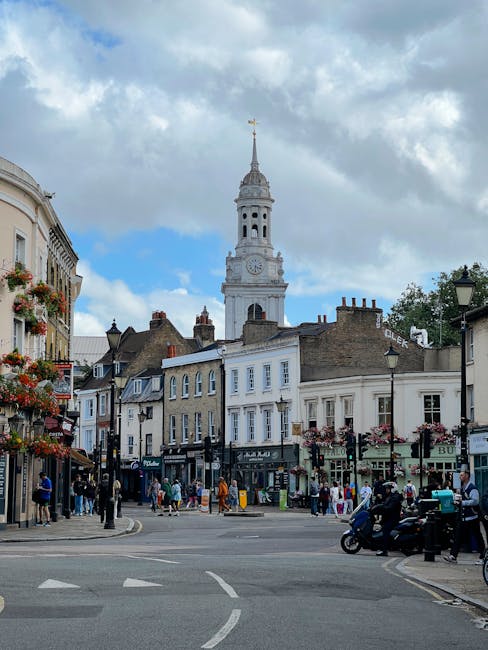
Greenwich Council parking permit rules for removals SE10: a practical guide for a smoother moving day
Moving house or flat in SE10 is stressful enough without a parking headache landing at the front door. If you are trying to work out the Greenwich Council parking permit rules for removals SE10, the good news is that a bit of planning usually saves a lot of time, money, and last-minute panic. In the real world, the difference between a smooth move and a frustrating one is often just a loading bay, a suspension bay, or a permit that was arranged at the right time.
This guide walks you through what the rules generally mean, why they matter, how removal vehicles are usually managed in Greenwich, and what to do before moving day arrives. You will also find a checklist, a comparison table, and a few plain-English tips that people often wish they had heard earlier. Truth be told, parking is one of those tiny details that can cause a surprisingly big mess.
If you are planning a home move, a flat move, or even an office relocation, it also helps to think about the job as a whole. Services such as home moves, flat removals, and commercial moves often depend on getting vehicle access right before a single box is lifted.
Table of Contents
- Why Greenwich Council parking permit rules for removals SE10 matters
- How Greenwich Council parking permit rules for removals SE10 works
- Key benefits and practical advantages
- Who this is for and when it makes sense
- Step-by-step guidance
- Expert tips for better results
- Common mistakes to avoid
- Tools, resources and recommendations
- Law, compliance, standards, or best practice
- Options, methods, or comparison table
- Case study or real-world example
- Practical checklist
- Conclusion
- Frequently asked questions
Why Greenwich Council parking permit rules for removals SE10 Matters
Parking rules matter because removals are time-sensitive, physically awkward, and often noisy. A van that cannot stop close to the property means more carrying, more time, more fatigue, and a higher chance of damaged furniture or strained backs. Nobody wants to be manoeuvring a wardrobe half a street away while a mattress flaps in the wind. It sounds dramatic, but it happens.
In SE10, many streets can be tight, busy, or shared with resident permit holders, visitors, loading restrictions, or controlled parking zones. That means a removal vehicle may need special permission to stop legally, even for a short period. If you ignore that side of the move, you risk delays, fines, and a lot of unpleasant improvisation on the pavement.
It also matters because local moves are rarely just about distance. A short move from one SE10 street to another can be logistically harder than a longer move elsewhere if access is awkward. That is especially true for flats, basement properties, maisonettes, and older buildings where frontage space is limited.
Expert summary: the parking part of a removal is not an admin extra; it is part of the move itself. If access is wrong, everything else becomes slower, riskier, and more expensive.
For people booking a team rather than doing the job alone, access planning often sits alongside packing, vehicle sizing, and timing. If you need a more complete moving setup, it can be useful to look at removal services together with packing and boxes so the whole day is properly coordinated.
How Greenwich Council parking permit rules for removals SE10 Works
The exact wording of local parking rules can change over time, so the safest approach is to treat the council process as something to verify close to your move date. In practical terms, the rules usually come down to a few moving parts: where the vehicle can stop, how long it can stay, whether the bay is for loading only, and whether a permit or dispensation is needed for the removal vehicle.
Most removals in SE10 involve one of three situations:
- Standard street parking: the vehicle can use an ordinary bay if the restrictions allow it and if any permit requirement is met.
- Loading or unloading: short stop for active loading, often under tighter time rules and sometimes with specific signage.
- Suspended or reserved space: an area set aside in advance to make room for the van or truck.
Which option applies depends on the road layout, the type of property, and the vehicle involved. A small van may fit into a narrow bay more easily than a larger removal truck, but larger jobs often need the extra space that only a truck can provide. That is why matching the vehicle to the access conditions matters so much. If you are comparing options, the choice between a man with van, a man and van, or a removal truck hire setup can change the parking plan quite a bit.
For home removals, the key question is usually simple: can the vehicle legally and safely get as close as possible to the front door? If the answer is no, you need a plan B. That plan might mean arranging a parking bay, using a smaller vehicle for a short shuttle, or scheduling the move at a quieter time of day.
One practical point people overlook: even if the road looks quiet at 8am, local restrictions may still apply. The street can seem empty and still be fully controlled. Looks can be deceiving, especially in London.
Key Benefits and Practical Advantages
Understanding parking rules before the move has a few obvious benefits, and a few less obvious ones too.
- Less walking distance: every metre saved from van to door reduces effort and risk.
- Faster loading: a well-positioned vehicle keeps the team moving.
- Lower damage risk: fewer awkward turns on kerbs, stairs, and door thresholds.
- Better timing: less waiting means the schedule is easier to keep.
- Less stress for neighbours: proper parking avoids unnecessary obstruction and complaints.
There is also a financial angle. If access problems slow the move down, the day can take longer than expected. That matters whether you are paying hourly or simply trying to coordinate several services at once. For a busy household, a couple of unnecessary trips back and forth can turn into the difference between finishing before tea and still carrying boxes after dark.
For flats in particular, parking and lift access go hand in hand. A move from an upper-floor apartment often needs a tight, efficient unloading sequence. That is one reason some people prefer a service like house removals or student removals where the logistics are handled in one place rather than pieced together at the last minute.
Who This Is For and When It Makes Sense
This topic is relevant if you are:
- moving from or to SE10;
- using a removal van, Luton van, or larger truck;
- living on a busy road, a one-way street, or in a controlled parking zone;
- moving from a flat, maisonette, or terrace with limited frontage;
- booking professional movers who need predictable access;
- trying to avoid parking fines, delays, or neighbour disputes.
It makes sense to think about parking planning early if your property has no driveway, the street is narrow, or the nearest legal stopping point is a long way from the entrance. It also matters if your building management controls access, or if the move is happening at a busy time such as a weekday morning.
Commercial tenants should be just as careful. Office buildings can have loading rules, concierge requirements, or timed access windows that are easy to miss. If you are moving a business, a set of office removals or office relocation services can be much easier to run when access is planned around the building, not just the inventory.
And yes, even a small move can need this sort of thinking. A one-bedroom flat on a tight street can be more complicated than a larger house with a driveway. That is London for you. A bit inconvenient, but manageable with the right prep.
Step-by-Step Guidance
If you want to avoid the usual moving-day scramble, work through the process in this order.
- Check the street layout and restrictions. Look at the frontage, bay markings, and any signs near the property. Notice whether there is loading-only space, resident permit parking, or a yellow line situation.
- Decide what vehicle is actually needed. A small van may be enough for a compact flat, while a larger household move may need a truck. Better to size properly than pretend you can fit a kitchen, a bed, and three years of life into one run.
- Estimate the loading distance. Count the metres from the legal stopping point to the front door. If it feels too far on paper, it will feel worse with a sofa in your hands.
- Ask about permit or bay arrangements early. If your move needs a dedicated space, leave time for the admin and any approvals.
- Coordinate the timing. Try to avoid peak traffic windows where possible. A Friday afternoon move in a congested part of SE10 is not ideal if you can help it.
- Confirm the plan in writing. Keep a note of the date, vehicle type, access instructions, and any parking arrangements.
- Prepare the property. Clear hallways, protect floors, and leave enough room for boxes to be staged near the exit.
If you are packing at the same time, consider using professional help for the fiddly bits. Services like packing and unpacking services can take pressure off the day, especially when the parking window is short and every minute counts.
Expert Tips for Better Results
Here are a few things that make a real difference, based on what tends to go smoothly and what tends to become a headache.
- Measure first, not after. If a van cannot physically turn into the road or sit within the bay safely, the permit will not magically fix that.
- Have a backup parking spot in mind. Sometimes the intended space is occupied. Not ideal, but common.
- Use a smaller vehicle when access is tight. Two efficient trips can beat one impossible one.
- Protect the curbside route. Wet weather, low light, and uneven pavements can make the carry slower than expected, especially in the evening.
- Warn neighbours where sensible. A polite note or conversation can prevent misunderstandings. Small courtesy goes a long way.
- Keep building details handy. Door codes, concierge names, and lift booking times matter more than people think.
To be fair, most moving-day problems are not dramatic disasters. They are little things stacking up: a bay blocked, a door code missing, someone parking across the access point, the boxes arriving before the van. The good news is that all of that is preventable with a bit of calm planning.
If you want the move handled with as little friction as possible, a service like removals or same day removals can be helpful when the schedule is tight and parking constraints need an experienced hand.
Common Mistakes to Avoid
Parking problems usually come from assumptions. That is the short version. The longer version looks like this:
- Assuming a quiet road means unrestricted parking. It often does not.
- Leaving parking arrangements until the day before. That is when stress starts to bite.
- Booking the wrong vehicle size. Too small means extra journeys; too large means access trouble.
- Forgetting about bay suspensions or loading permissions. These details can matter more than the postcode itself.
- Not sharing access information with the removals team. If the crew arrives blind, the day slows down.
- Ignoring neighbours and residents. A blocked driveway or a van partly across someone's entrance can create avoidable friction.
Another common one: people focus on the front of the property and forget the route inside. Narrow stairs, tight landings, and a heavy wardrobe are a bad combination if the van is already parked too far away. The whole chain matters.
Tools, Resources and Recommendations
You do not need a complicated toolkit, but a few practical items make the process easier.
- Measuring tape: useful for checking access width, bay length, and carrying distance.
- Phone photos: capture signs, road layouts, and any awkward entrance points.
- Floor plan or rough sketch: helps plan where items should be placed on arrival.
- Box labels: simple labels save time when unloading close to the property.
- Parking notes: write down vehicle details, permit instructions, and who to contact if the bay is occupied.
It is also worth reviewing the wider moving service details before you commit. Pages like pricing and quotes, insurance and safety, and terms and conditions can help you understand what is covered and what the moving plan expects from you.
If sustainability matters to you, there may be sensible ways to reduce waste during the move. Packing reuse, furniture donation, and sorting unwanted items before the van arrives can all help. For that side of things, recycling and sustainability is worth a look.
Law, Compliance, Standards, or Best Practice
Parking in London sits within a mix of local restrictions, traffic rules, property management conditions, and practical common sense. For removals, the safest stance is to assume that legality and convenience are not the same thing. A space may look convenient and still be restricted. A vehicle may fit and still not be allowed to stop there.
Best practice is to confirm the restrictions that apply to your road, building, and moving time. That usually includes checking whether:
- the road is within a controlled parking zone;
- loading is permitted at your proposed time;
- a temporary suspension or special arrangement is needed;
- the property has its own access conditions;
- the vehicle type is suitable for the space available.
There is also a safety element. Removal teams should be able to load without creating unnecessary obstruction or hazardous lifting conditions. Good practice means keeping pavements clear where possible, moving boxes efficiently, and not leaving the vehicle in a position that puts pedestrians or other road users at risk.
If you are booking professional help, check that the provider operates in a way that reflects sensible moving-day standards. That includes clear communication, appropriate vehicle choice, care around access, and a proper approach to liability. You may also want to review the business pages on health and safety policy and about us if you want a better sense of how the company works.
Options, Methods, or Comparison Table
Choosing the right approach depends on the property, the volume of belongings, and how tight the parking situation is. Here is a simple comparison.
| Approach | Best for | Advantages | Watch-outs |
|---|---|---|---|
| Small van or man-and-van setup | Compact flats, light loads, tighter streets | Easier to manoeuvre, often simpler to park | May need more than one trip |
| Standard removal van | Mid-sized house or flat moves | Good balance of capacity and access | Still needs sensible parking space |
| Large removal truck | Full house, business move, bulky furniture | Efficient loading, fewer journeys | Harder to place on narrow SE10 streets |
| Shuttle method | Very tight access areas | Flexible when the main vehicle cannot get close | Takes more coordination and time |
There is no single best choice for every move. In fact, the wrong answer is often "the biggest vehicle we can get." Bigger is not always better. Sometimes it is just bigger, and in SE10 that can become a problem very quickly.
If you are still weighing up the format of the move, pages such as man with a van, removal van, and moving truck can help you think through which vehicle type suits the access conditions.
Case Study or Real-World Example
Imagine a family moving from a top-floor flat in SE10 on a narrow residential street. The property does not have a driveway, and the closest legal stopping place is a short distance away. They assume the van can just pull up near the entrance because "it is only an hour or two." Of course, when moving day arrives, another vehicle is already in the way and the team has to park further down the road.
At first, that sounds minor. Then the sofa needs two people and a careful turn around a parked car. The wardrobe takes longer. The hallway starts to feel cramped. By late morning, everyone is a bit sweaty, a bit annoyed, and a bit too aware of the boxes everywhere. You can almost hear the tape ripping and the scrape of cardboard over laminate floor.
Now compare that with a better-planned version. The family checks access the week before, agrees on the right vehicle size, and makes sure the removals team knows the road conditions. They leave the hallway clear, book the lift if needed, and keep a backup approach in mind in case the intended stopping point is occupied. The job is still a moving day - let's not pretend otherwise - but it runs with far less friction.
The difference is not magic. It is planning. Simple, unglamorous planning.
Practical Checklist
Use this checklist before moving day. It saves a lot of backtracking.
- Confirm the move date and arrival time.
- Check the street restrictions near both properties.
- Decide whether a small van, removal van, or truck is appropriate.
- Measure the distance from parking point to front door.
- Note any loading restrictions, yellow lines, or permit zones.
- Check for building rules, concierge procedures, or lift bookings.
- Prepare parking notes for the removals team.
- Label boxes clearly so unloading is faster.
- Keep valuables and documents separate.
- Have a backup plan if the nearest space is occupied.
- Review the move paperwork and service terms in advance.
A small extra note: if you are moving furniture you no longer want, arranging collection before moving day can keep the load lighter. Services like furniture removals and furniture pick up can make the clean-out side much less chaotic.
Conclusion
Greenwich Council parking permit rules for removals SE10 are not the most exciting part of a move, but they are one of the most important. Get the parking side right and the rest tends to feel more manageable. Get it wrong and everything becomes slower, more tiring, and more expensive than it needed to be.
The best approach is simple: check the restrictions early, match the vehicle to the street, keep the removal team informed, and leave room for a backup plan. That is especially true in SE10, where access can be compact, rules can be strict, and a seemingly small detail can affect the entire day.
If you are still at the planning stage, consider the move as one joined-up task rather than a pile of separate jobs. Parking, packing, vehicle choice, and access all work together. Once those pieces are aligned, the day usually goes a lot more smoothly. And honestly, that calm feeling when the van is in the right place is worth a lot.
Get a free quote today and see how much you can save.
Frequently Asked Questions
Do I need a parking permit for removals in SE10?
Often, yes, or at least some form of parking arrangement may be needed depending on the street, time, and vehicle size. The safest approach is to check the local restrictions close to your moving date and plan for legal loading access rather than assuming the van can stop anywhere convenient.
Can a removal van stop on double yellow lines for loading?
Sometimes loading and unloading may be treated differently from general parking, but that does not mean every stop is allowed. The exact rules depend on the road, time, signage, and local restrictions. If in doubt, treat it cautiously and make sure the plan is compliant.
How far in advance should I arrange parking for a move?
As early as possible. A week or two gives you breathing room, especially if you need a particular bay or have to coordinate with a building manager. Last-minute parking arrangements tend to be stressful and can limit your options.
What happens if the parking space is occupied on moving day?
You need a backup plan. That might mean a different bay, a short shuttle from another spot, or a smaller vehicle. It is annoying, yes, but it is far better to have a fallback than to stand around with no legal stopping place.
Is a small van better than a large truck in SE10?
Not always, but often it is easier to place in tighter streets. A small van can be more practical if access is limited, though it may require extra trips. The right choice depends on the volume of belongings and the road layout.
Do flat removals need different parking planning than house removals?
Usually they do. Flats often involve shared entrances, tighter access, lift booking, and less frontage space. House removals may have slightly easier access, but that is not guaranteed. Every property needs its own check.
Can professional movers handle the parking planning for me?
They can often help plan it, but you should still provide accurate information about the street, building access, and any known restrictions. The more details you give, the easier it is for the team to prepare properly.
What should I tell the removals company about access?
Tell them about parking restrictions, road width, permit zones, loading bays, lift access, stairs, and any timed entry rules. If there is something awkward, say it early. That one conversation can save a lot of confusion later.
Are same-day removals realistic if parking is tricky?
They can be, but tricky parking makes same-day moves more complex. If the access situation is tight, the team needs to work efficiently and may need a smaller vehicle or a backup plan. Quick moves are possible, but only if the logistics are realistic.
What is the biggest mistake people make with removal parking?
Assuming it will sort itself out on the day. It rarely does. Parking and access are usually much easier to manage when they are planned in advance rather than improvised at the kerbside.
Where can I get help if I am unsure about the right move setup?
Start by reviewing the move details, access conditions, and the service options that fit your property type. If you need extra guidance, look at the company's service and information pages such as contact us or pricing and quotes and decide what level of support makes sense for your move.
Moving is rarely perfect, but with the right parking plan it can be much calmer than people expect. One good decision at the kerb can make the whole day feel lighter.