Furniture Removals in Greenwich
Moving furniture in Greenwich takes more than a van and a few extra hands. Between period homes, modern apartment blocks, riverside developments, narrow streets, loading restrictions, and busy local traffic, a well-planned move can save time, stress, and avoidable damage. If you are looking for Furniture Removals in Greenwich, you likely want a service that understands the area, handles your items with care, and works around real-life access challenges without making the day harder than it needs to be.
Whether you are moving a single heavy sofa, a full household, office desks, or specialist items that need careful handling, a local furniture removal service can make a noticeable difference. The right team helps with lifting, wrapping, transport, positioning, and the practical detail that turns a difficult move into a smooth one. For local residents, landlords, tenants, homeowners, and businesses, that support matters.
Greenwich has a mix of property types and streets that can complicate moving day: Georgian terraces, mansion blocks, council estates, new-build flats, converted buildings, and commercial units along busier roads. Add stair-only access, tight hallways, controlled parking zones, or limited lift availability, and it becomes clear why local knowledge is valuable. Furniture removals should be organised around your building and your schedule, not the other way around.
Local Furniture Removals Built Around Greenwich
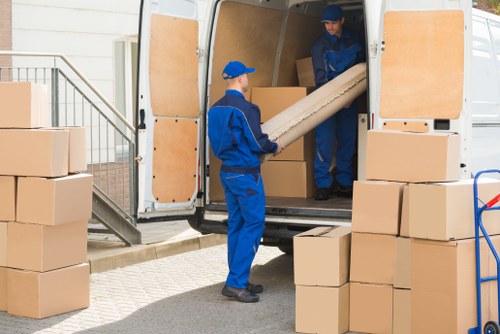
Furniture removals in Greenwich are best handled by a team that understands the practical realities of the borough. From the historic centre near Greenwich Town Centre to residential pockets around Westcombe Park, Maze Hill, Blackheath, and the larger developments nearer the river, each location brings different challenges. What works for a house move in a quiet side street may not work for a flat in a busy block with restricted access.
Local teams are usually better prepared for these variations because they deal with them regularly. They know that a move near Cutty Sark, Greenwich Park, or around Deptford Creek may require careful scheduling to avoid congestion. They also understand that many buildings have shared entrances, narrow staircases, and lift booking rules that need to be factored in before anything is loaded. This kind of experience helps protect your furniture and keeps the process efficient.
When people search for furniture removals Greenwich customers are often trying to solve a specific problem: how to move bulky items safely, how to fit a move around work or family commitments, or how to get a sofa, wardrobe, bed frame, or dining table through awkward access without damage. A professional service should address those needs clearly and practically.
What Furniture Removal Services Can Include
A reliable furniture removal service is about more than transport. For many customers, it begins with planning and ends with placing each item where it needs to go in the new property. The aim is to reduce physical strain, prevent scuffs and breakage, and take pressure off the moving day itself.
Common furniture removal tasks may include collecting items from homes, flats, storage units, offices, and retail spaces. Depending on your needs, the team can dismantle selected items, protect corners and surfaces, carry furniture down stairs, use trolleys or straps where appropriate, and load items carefully so they travel securely.
Typical furniture removal support can cover:
- Single-item collection or delivery
- Full or partial household furniture moves
- Flat moves with stair or lift access
- Office furniture relocation
- Dismantling and reassembly of selected items
- Protective wrapping for fragile or valuable furniture
- Careful loading and unloading
- Furniture placement in the correct rooms
- Transport from storage units or temporary holding locations
Some customers also need help with awkward or oversize items such as American-style fridges, wardrobes, bookcases, corner sofas, beds, exercise equipment, or heavy tables. A good local removal service will discuss these items in advance so the right people, tools, and vehicle size can be arranged.
Why Greenwich Homes Need a Practical Moving Plan

Greenwich properties are often charming, but they can also be difficult to move furniture through. Older houses may have tight doorways, steep stairs, or delicate finishes. Many flats have limited parking outside, which means your furniture may need to be carried a longer distance from the vehicle to the front door. In some apartment buildings, lifts may be small, booked, or unsuitable for larger items.
That is why a practical moving plan matters. The team should consider entry points, hallway width, stair turns, lift dimensions, parking distance, and any building rules before moving day begins. If you live near Greenwich station, on a busier main road, or in a development with controlled access, timing and vehicle positioning can make a major difference to how smoothly the job goes.
Proper planning helps avoid delays, accidental damage, and unnecessary lifting. It also means the service can be tailored to your actual property rather than a generic moving approach. That is especially useful in Greenwich, where no two jobs are exactly alike.
For customers with limited time, a local furniture removal team can be the difference between a stressful all-day task and a move that feels organised from the start.
Residential Furniture Removals for Greenwich Households
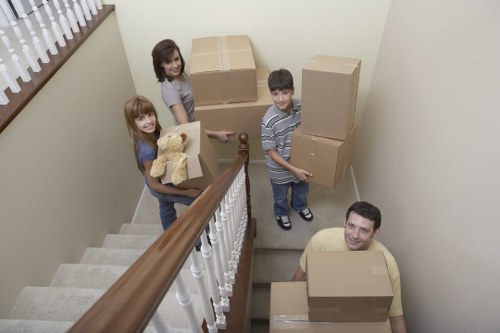
Households across Greenwich use furniture removals for many different reasons. Some people are moving into their first flat, while others are downsizing, upgrading, combining homes, or rearranging furniture after a renovation. You may only need help with a few large items, or you may want a full property cleared and moved in one visit.
For tenants, the most common challenge is usually timing. End-of-tenancy deadlines, handover dates, and limited access windows can all create pressure. A local team that understands furniture removals in Greenwich can help keep the move on schedule and reduce the chance of last-minute problems. For homeowners, the goal may be to protect floors, walls, and staircases while moving valuable or bulky items safely out of the property.
Residential customers often need support with:
- Bedrooms: beds, mattresses, wardrobes, chests of drawers, bedside tables
- Living rooms: sofas, armchairs, coffee tables, cabinets, TV units, shelving
- Dining areas: tables, chairs, sideboards, display units
- Home offices: desks, office chairs, storage units, filing cabinets
- Garden or patio pieces: benches, outdoor tables, heavier planters
Many local moves also involve moving items between properties in nearby areas such as Blackheath, Charlton, Woolwich, Deptford, Lewisham, and Isle of Dogs connections via the river corridor. Even if your destination is only a short distance away, furniture still needs proper lifting, securing, and transport.
Office and Commercial Furniture Moves

Greenwich is not only a residential area. It also has offices, studios, shops, schools, hospitality businesses, and mixed-use premises that periodically need furniture moved. Office relocations may include desks, chairs, meeting tables, reception furniture, storage units, and equipment that needs to be handled carefully so business disruption stays minimal.
Commercial removals often need to happen outside standard office hours or in carefully staged phases. If your business operates in a busy part of Greenwich, around a retail parade, or in a building with shared access, the moving plan should reflect those conditions. A local furniture removals team can work around building rules, delivery schedules, and the need to keep entrances and walkways clear.
For business customers, the most useful service is often one that is flexible and responsive. That may include moving furniture between floors, relocating selected items to another site, or clearing out older furniture before new pieces arrive. Efficiency matters, but so does care. A damaged desk or broken meeting table can be expensive to replace and inconvenient to your operation.
Common commercial furniture removal needs include:
- Office moves and internal reconfigurations
- Retail fixture removal or relocation
- Storage-to-office furniture transfers
- School, studio, or workspace furniture moves
- Staged relocations to reduce downtime
How the Service Usually Works
Most customers want a process that is simple, clear, and easy to follow. A good furniture removal service in Greenwich should start by understanding what needs moving, where it is going, and what the access looks like at both locations. This helps determine vehicle size, manpower, packing needs, and timing.
In many cases, the process begins with a discussion of the furniture involved. You may describe the number of items, whether any pieces need dismantling, whether stairs are involved, and whether parking is available close to the property. If there are fragile items or particularly heavy pieces, those details should be included early so the job can be planned properly.
On the day, the team usually arrives with the necessary transport and equipment, checks access points, and begins moving items in a controlled way. Furniture may be wrapped, lifted, carried, loaded, and then secured inside the vehicle. At the destination, the items are unloaded and positioned according to your instructions. If reassembly is included, that may be completed once the larger items are in place.
A clear process saves time and reduces uncertainty. It also makes it easier for households and businesses to prepare properly and know what to expect.
What Good Preparation Can Include
Preparing well can make the move faster and safer. Even if the removal team is handling the lifting, there are simple steps customers can take to support the process.
- Measure large furniture and key doorways or stair turns
- Clear walkways and access routes in advance
- Empty drawers, shelves, and cabinets where possible
- Detach loose items, cables, and small accessories
- Protect fragile surfaces if extra wrapping is needed
- Reserve lifts or notify building management if required
- Check parking restrictions and loading access
- Keep items to be moved grouped together where practical
If your building has specific access rules, share them before moving day. That can prevent delays and avoid awkward surprises on arrival.
Furniture Types That Need Extra Care
Some pieces are straightforward to move, while others need special handling. In Greenwich, where many homes contain a mix of older furniture, flat-pack items, and larger modern pieces, extra care is often required for certain items. A local team should be able to recognise these risks and move accordingly.
Items that often need added attention include antique or vintage furniture, glass-fronted cabinets, mirrored wardrobes, marble or stone tables, large sofas, and furniture with delicate finishes. Narrow hallways and tight staircases can increase the risk of marks or chips if items are not manoeuvred carefully. Good protection and patient handling matter more than speed when the item is valuable or awkward.
Where appropriate, dismantling may be the safest option. Beds, wardrobes, modular shelving, desks, and some dining tables can often be taken apart for easier transport. Reassembly at the destination can then make the item usable again without putting unnecessary strain on the structure.
Special Considerations for Flats and Apartments
Flat moves are especially common across Greenwich, including in newer apartment developments and converted buildings. These moves can involve lift bookings, corridor protection, shared entrances, noise considerations, and secure-entry procedures. A professional service will take these into account and plan the move accordingly.
For residents in higher-floor apartments, it is also important to check whether the lift can accommodate larger furniture dimensions. If not, the team may need to plan for stair carry routes, which should always be approached carefully and with enough people to manage the weight safely.
Questions to Ask Before Booking
If you are comparing options, it helps to ask practical questions rather than only focusing on availability. Useful questions include:
- Can the team handle dismantling and reassembly if needed?
- What details are needed to plan for parking and access?
- Can the service manage stair-only moves?
- Is wrapping or protection available for delicate furniture?
- Can the move be scheduled around building time restrictions?
- Will the team help place furniture in the correct rooms?
Pricing Factors for Furniture Removals in Greenwich
Customers naturally want to understand what affects cost before they book. While exact prices depend on the job, several factors commonly influence the quotation. Being aware of them can help you provide better information and receive a more accurate estimate.
Key pricing factors may include the number and size of items, the distance between locations, whether the move is local or part of a wider route, access conditions, the presence of stairs or lifts, and whether dismantling or reassembly is needed. Timing can also matter if the move needs to be fitted into a narrow window or arranged at short notice.
Other factors may include the level of handling required, the need for extra team members, and the amount of time needed for loading and unloading. A job in a quiet ground-floor house will usually be different from one in a top-floor flat with limited parking. That is why a tailored quote is far more useful than a rough guess based on item count alone.
To help receive an accurate estimate, it is wise to share:
- What furniture needs moving
- The pickup and destination areas
- Floor levels at both ends
- Parking or access issues
- Any heavy, fragile, or awkward items
- Preferred date or time window
If you are not sure whether everything needs to be moved in one trip, ask about options. Sometimes it makes sense to split the job into stages, especially when coordinating a property handover or an office reconfiguration.
Why Choose a Local Greenwich Furniture Removals Team
Choosing a local team can make the service more efficient and less stressful. Greenwich is a district where local knowledge genuinely helps. A team that regularly works in the area will be more familiar with common access issues, local traffic patterns, parking considerations, and the kinds of homes and business premises found nearby.
Local furniture movers may be better placed to offer practical appointment times, faster response, and flexible scheduling around the realities of the borough. They can also be more straightforward to work with when access changes or the job needs to be adjusted on the day. That kind of responsiveness is valuable when dealing with real moving-day pressures.
Another benefit is communication. Local customers often want a service that feels direct, clear, and easy to arrange. If you are moving between Greenwich and nearby areas such as Charlton, Blackheath, Woolwich, Lewisham, New Cross, Deptford, or Canary Wharf-linked routes, it helps to work with a team that knows the local road network and can plan accordingly.
In short, local experience supports better timing, safer handling, and a smoother overall move.
Areas Covered Across and Around Greenwich
Furniture removals in Greenwich commonly serve a wide local area, not just the town centre itself. That includes riverside developments, residential streets, apartment complexes, and nearby neighbourhoods where people regularly move homes or businesses.
Typical areas and nearby locations may include:
- Greenwich Town Centre
- Westcombe Park
- Maze Hill
- Blackheath
- Charlton
- Deptford
- Lewisham
- Woolwich
- Eltham
- New Cross
- Canary Wharf and surrounding routes, where relevant
If your move involves more than one location, storage, or a combination of pickup points, a local furniture removals service can often coordinate these details more easily than a distant operator. This is especially useful for customers juggling renovations, tenancy deadlines, or business relocations.
Preparation Checklist for Moving Day
Good preparation helps the day run more smoothly and protects your furniture from accidental damage. Even when the removal team is doing the heavy lifting, a few simple steps from the customer can make a big difference.
Use this checklist before moving day:
- Confirm exactly which items are being moved
- Measure large furniture and key access points
- Clear hallways, entrances, and stairwells
- Remove loose items from drawers and shelves
- Protect or remove vulnerable decorations nearby
- Arrange parking or access permissions if required
- Keep keys, building fobs, and access codes ready
- Set aside any items not to be moved
- Label rooms if furniture is going to a new property
- Let the team know about any fragile or valuable items
Simple preparation often saves more time than people expect. It can also reduce the risk of damage to both furniture and property surfaces.
What Customers Often Ask Before Booking
When people enquire about furniture removals, they usually want straightforward answers. Below are common questions from Greenwich customers planning a move.
Can you move just one item?
Yes, many customers only need a single sofa, bed, wardrobe, or table moved. Single-item removals are common, especially when buying, selling, or replacing furniture locally.
Do I need to dismantle furniture first?
Not always. Some items can be moved fully assembled, while others are easier or safer to dismantle. If dismantling is needed, it should be discussed in advance so the right plan is in place.
What if my flat has no lift?
Stair carry moves are often possible, but they need to be assessed carefully. Floor level, staircase width, and item weight all matter. A local team can advise on the best approach based on your building.
Can furniture be placed in specific rooms?
Yes. Most customers want furniture delivered to precise rooms so that the final setup is easier. It is helpful to label rooms or give clear direction on arrival.
What if parking is difficult near my property?
Parking and loading restrictions are common in Greenwich. Let the team know in advance so they can plan the route, vehicle position, and timings accordingly.
Do you handle office furniture as well as home furniture?
Yes, many removal services handle both residential and commercial furniture. Office desks, chairs, storage units, and meeting furniture can usually be arranged with the correct planning.
When to Book Your Furniture Removal
It is sensible to book as early as possible, especially if your move is tied to tenancy dates, school schedules, renovation deadlines, or business reopening times. Greenwich can be a busy area, and access times may need to be coordinated with building management or parking conditions.
If you are moving at the end of the month, during a weekend, or around holiday periods, earlier booking becomes even more useful. That gives more time to assess the details and organise the right vehicle and team for the job. The sooner the move is planned, the easier it is to handle the practical complications.
Even if your move is still a few weeks away, you can request a quote and start discussing access, item lists, and preferred dates now. If you are unsure how much help you need, a brief conversation about the furniture involved can clarify the best option.
Ready to Arrange Furniture Removals in Greenwich?
If you need help moving furniture safely, efficiently, and with local knowledge, a Greenwich-based removal service can provide the right support for your property and schedule. Whether you are moving into a new home, shifting a few heavy items, clearing an office, or managing a more complex local move, professional assistance can make the process easier from start to finish.
Contact us today to request a free quote, discuss your furniture list, and book your service now. The more detail you can share about access, item size, and timing, the more accurately your move can be planned. For residents and businesses looking for dependable Furniture Removals in Greenwich, a clear, careful, local approach is often the smartest choice.
Let the move be organised, practical, and manageable — without turning your day into a struggle.